Do you remember how a Fitbit that counted your steps was a groundbreaking product? Those days seem quaint now. However, health wearable technology is quietly evolving to be more than a pedometer into an advanced medical device capable of measuring your heartbeats, blood pressure, and sleep patterns with surprising precision.
This has evolved due to the case of shifting to preventive healthcare. People desire to prevent problems and not to wait till health problems occur. In the meantime, physicians are becoming more concerned over the constant information that these devices are giving them – it is much better than having that one blood pressure reading at the end of the short office visit.
This article will go into the realities of what health wearable technology looks like in 2025 and in the future. I will explore the following concerns: Wearable ECG monitors, Smart Medical Beacons, blood pressure monitors, and AI-powered sleep tracking.
As consumers increasingly seek comprehensive control over their personal health, and with continuous advancements in wearable technology, the healthcare industry has responded by developing a growing array of wearable devices—such as wearable monitors, smartwatches, and wearable beacons. At this year’s Consumer Electronics Show (CES 2025), digital health was highlighted as one of the three featured themes. The personalized health management segment stood out particularly, receiving numerous awards within the health technology category and demonstrating significant market potential. The integration of AI with wearable technology is further revolutionizing this field, opening new pathways for analyzing individual health factors and interpreting health disparities.
One of the most important health wearable technology trends in 2025 is the integration of ECG (electrocardiogram) monitoring into consumer and medical-grade devices. With rising cases of cardiovascular disease worldwide, early detection is critical. Wearable ECG devices allow people to capture heart data anytime, reducing reliance on clinic-only diagnostics. While early fitness trackers focused mainly on heart rate, ECG-enabled wearables now provide detailed insights into heart rhythm and potential arrhythmias.
Another emerging health wearable technology trend in 2025 is the use of smart medical beacons. Unlike traditional wearables that focus only on personal health, medical beacons interact with hospital infrastructure, caregivers, and IoT systems.
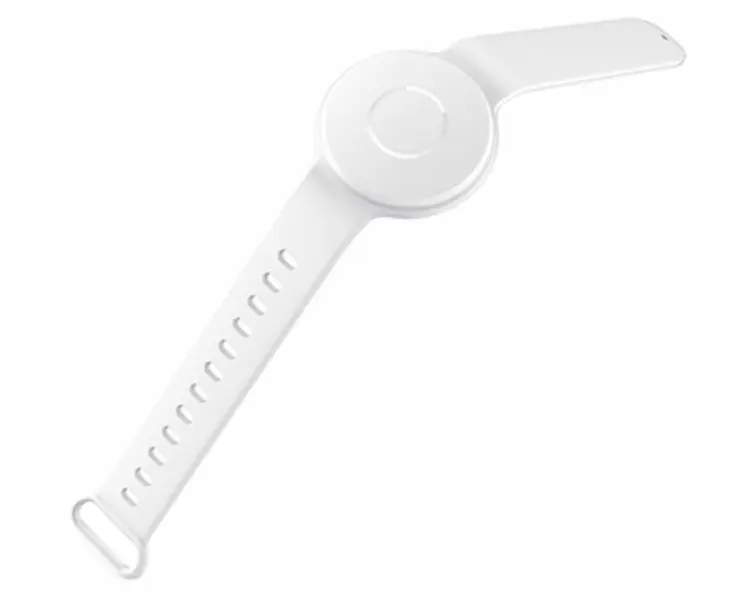
These medical wristbands or emergency ID badges worn by patients can transmit real-time location, health status, or emergency alerts to healthcare providers.
Mokosmart medical wristband beacon adopts a medical disposable tamper-proof bracelet for unparalleled safety and independence. It is suitable for location tracking in a range of medical situations, such as hospitals and nursing homes. The device applies to all manner of tracking situations, including both people and goods. The W3 Pro Medical Beacon also has an optional button for the SOS function.
They improve patient safety, streamline hospital workflows, and ensure rapid response in emergencies. For elderly or high-risk patients, medical beacons extend monitoring beyond the hospital, providing continuous care at home.
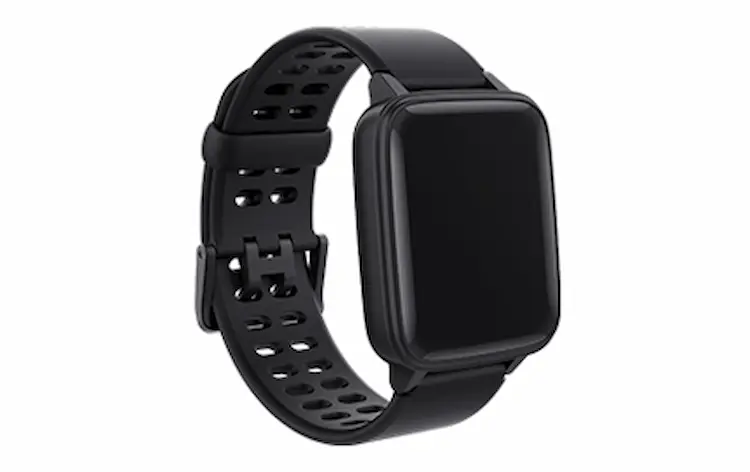
The first-ever wearable blood pressure monitor dubbed the “Heart Guide” was launched by Omron Healthcare in 2019. Although it looks exactly like a typical smartwatch, Heart Guide uses an oscillometer to monitor blood pressure and record daily activities such as distance covered, steps taken, and calories burned.
And now the new sensor technologies and cuffless designs allow users to measure blood pressure continuously, in both clinical and everyday environments. The latest market examples: Several leading brands have introduced FDA-cleared smartwatches with built-in BP monitoring, and hospitals are beginning pilot programs to replace traditional cuff devices with wearable alternatives.
One of the biggest trends in wearable health technologies in 2025 is the integration of artificial intelligence within wearable devices. Rather than responding to health complications once they occur, AI-controlled wearable devices make it possible to monitor and provide preventive services.
Such devices monitor important indicators as respiratory rate, ECG rhythms, skin temperature, and even blood glucose levels. Together with daily measurements such as activity, sleep, and movement patterns, they provide a comprehensive view of a person’s health. With AI and health wearables, healthcare is progressing toward proactive management: real-time feedback to users, richer data to clinicians, and ultimately better long-term outcomes.
Real-world example: The newest Apple Watch applies AI to identify abnormal heart rhythms and warn users of possible atrial fibrillation, and a number of FDA-cleared wearables now combine AI with continuous glucose measurements to help with diabetes. Some innovative smartwatches and wrist trackers integrate AI-powered biosensors that continuously monitor patients’ vital signs, including heart rate, body temperature, and respiratory patterns through self-adhesive patch technology. These AI-enhanced wearable devices enable early detection and prevention of cardiac or respiratory emergencies by providing real-time health data analysis, significantly reducing preventable medical incidents in healthcare settings.
Just a few years ago, health wearables were seen as nice-to-have gadgets. Today, they’ve become everyday essentials in both personal wellness and clinical care. According to Grand View Research, the global wearable medical devices market hit around USD 42.7 billion in 2024 and is expected to reach USD 54.0 billion in 2025. No matter how different firms define the market—whether it’s consumer wearables like fitness trackers or regulated clinical-grade devices—the trend is clear: people want continuous, connected health monitoring, and they want it now.
Two big shifts are powering this boom. First, the surge in remote patient monitoring (RPM) and chronic-disease management—accelerated by the pandemic—has turned wearables into trusted partners for doctors and hospitals to keep tabs on patients beyond clinic walls. Second, smarter sensors, on-device AI, and secure cloud platforms have given even consumer gadgets the ability to deliver near-clinical accuracy in real time. Both MarketsandMarkets and Grand View Research highlight RPM and chronic care as the hottest growth areas to watch.
The market itself is branching out. Smartwatches and fitness bands are still the most recognizable products, but clinical-grade devices—like ECG patches, continuous glucose monitors, and prescription-based RPM wearables—are growing revenue faster. IDC’s early 2025 shipment data shows the wrist-worn category is still massive but leveling off, while hearables and other emerging formats are adding new health features at a rapid pace. For companies, this means designing products and services that work seamlessly across both lifestyle and medical use cases.
Business models are also evolving. Insurers, employers, and health systems are betting on wearables as tools to promote preventive care, engage users, and cut costs. We’re seeing experiments with outcome-based reimbursements, device-as-prescription programs, and subscription-driven analytics. At the same time, the rise of the broader Medical Internet of Things (MIoT) is creating exciting opportunities for integrated data—but it’s also putting cybersecurity and compliance high on the agenda.
Despite the growing adoption of wearable healthcare devices, several significant challenges and limitations continue to hinder their widespread implementation and effectiveness:
Reliability and Data Accuracy: Variations in wearable device data present concerns about the correctness and consistency of collected health information, potentially leading to misinterpretation of patient conditions.
Data Overload: Health wearables generate excessive amounts of personal health data that can overwhelm both patients and healthcare providers, creating stress for users who feel over-monitored and challenging healthcare systems’ capacity to process information effectively.
Connectivity and Interoperability: Limited integration capabilities between different wearable devices and healthcare systems hinder seamless data sharing and comprehensive patient monitoring across platforms.
Data Security: Ensuring HIPAA compliance and implementing robust encryption for health data protection remains challenging. Effective key management and secure WBAN communications are essential to prevent data breaches and unauthorized access to physiological information transmitted over WiFi networks.
Personal Health Data Privacy: Users lack control over their collected data, facing concerns about data ownership, potential security breaches, and risks associated with third-party applications.
It is critical to consider the user’s preference when designing any device that you expect to gain a warm reception in clinical surroundings and home settings. If patients or clinicians stay for a long time without working on sensor systems, they become redundant.
A wearable sensor system should be easy to operate, compact, and embedded with a low maintenance cost. Also, it should not affect the user’s day-to-day activities, nor should it act as if it’s directly replacing a healthcare profession. Unfortunately, this field lacks proficiency and inadequate data despite the benefits of user preferences. Therefore, researchers should focus on the user’s preferences implications when designing these wearable sensor systems.
Health wearable technology is transforming the move to the basic idea of fitness tracking to more active, AI-based healthcare plans. Innovations such as constant tracking, chronic illnesses, and intelligent medical bracelets are re-thinking the concept of wellness in 2025.
MOKOSMART cooperates with companies to turn these tendencies into practice. From custom wearable design to IoT integration, we provide the expertise and technology to bring next-generation health wearables to market.
In modern manufacturing environments, there are hundreds of associated tools within a factory. As factories…
In fleet management, real-time visibility of cargo status is essential for optimal scheduling operations. Such…
Nowadays, modern business operations are becoming increasingly dynamic. For enterprises, especially those operating across vast…
Personnel safety is always the prime topic in workplaces, especially within industrial and manufacturing environments…
With the rapid development of the IoT (Internet of Things) industry, the global Bluetooth asset…
In the luxury jewelry industry, precision, security and real-time visibility are everything. Ensuring accurate location…